





Many healthcare and senior living organizations across the United States are adopting advanced technologies such as autonomous robots to reduce the burden of repetitive tasks and help address critical staffing shortages including hospital nurse vacancy rates approaching 10 percent and 72 percent of nursing homes reporting staffing levels below pre-pandemic levels.
Leveraging autonomous robots can boost morale, retention, and care quality by giving healthcare workers more time with patients and residents.
How Bad Is the Healthcare Staffing Problem?
Healthcare workforce shortages heightened during Covid19 and have not fully recovered since due to recent trends including burnout, workplace violence and an aging population.
Senior living facilities in the US are reporting turnover rates exceeding 40 percent among some frontline caregiving roles and The National Council of State Boards of Nursing found nearly 40 percent of nurses intend to leave by 2029.
Senior living communities are also reporting 46 percent of nursing homes are limiting admissions because of workforce shortages and 63 percent of senior living leaders have limited resident intake due to inadequate staffing.
The national RN turnover rate was 16.4 percent in 2024, according to a national healthcare retention and RN staffing report, while the cost to replace a nurse averages $56,300.
Staff turnover remains particularly high among frontline caregiving roles:
- Resident Assistants/Personal Care Aides: 47.1%
- Certified Nursing Assistants (CNAs): 41.8%
- Licensed Practical Nurses (LPNs): 38.6%
- Registered Nurses (RNs): 34.7%
Overall, 94 percent of healthcare facilities report difficulty recruiting staff.
Robots Will Never Replace Nurses & Healthcare Workers
Robots are never meant to replace workers or clinical expertise, only to relieve operational burdens.
There are many types of healthcare robots today including:
- Logistics and Delivery Robots that transport medications, lab samples, meals, linens, and supplies.
- Cleaning and Disinfection Robots that clean floors and do UV-C disinfection.
- Patient and Resident Engagement Robots for social interaction, companionship and communication.
- Monitoring and Safety Robots for fall detection, remote monitoring and wellness checks.
How Do Patients and Residents Respond?
Adoption is typically strongest when robots perform visible, helpful tasks, with education and staff engagement critical for success.
Patients like them because they receive more efficient care, allow more time with their caregivers and result in an improved experience and overall satisfaction with their care.
Healthcare Robot ROI
Organizations increasingly regard robots as a strategic investment due to their ability to lower recruiting costs, staffing expenses, overtime expenditures, and turnover-related losses.
Even minor staff retention and labor savings is beneficial because healthcare companies are spending millions of dollars annually on employee turnover.
Healthcare and senior living organizations can reduce implementation risks by starting with a pilot robot program and expanding as measurable benefits are demonstrated.
Involve staff early by gathering feedback, identifying workflow challenges and focusing on pain points.
Incorporate tools for capturing and measuring robot program success including:
- Staff satisfaction scores
- Turnover rates
- Time savings
- Patient and resident satisfaction
- Operational efficiency metrics that are tied to financial data.
The RFT Service Robot
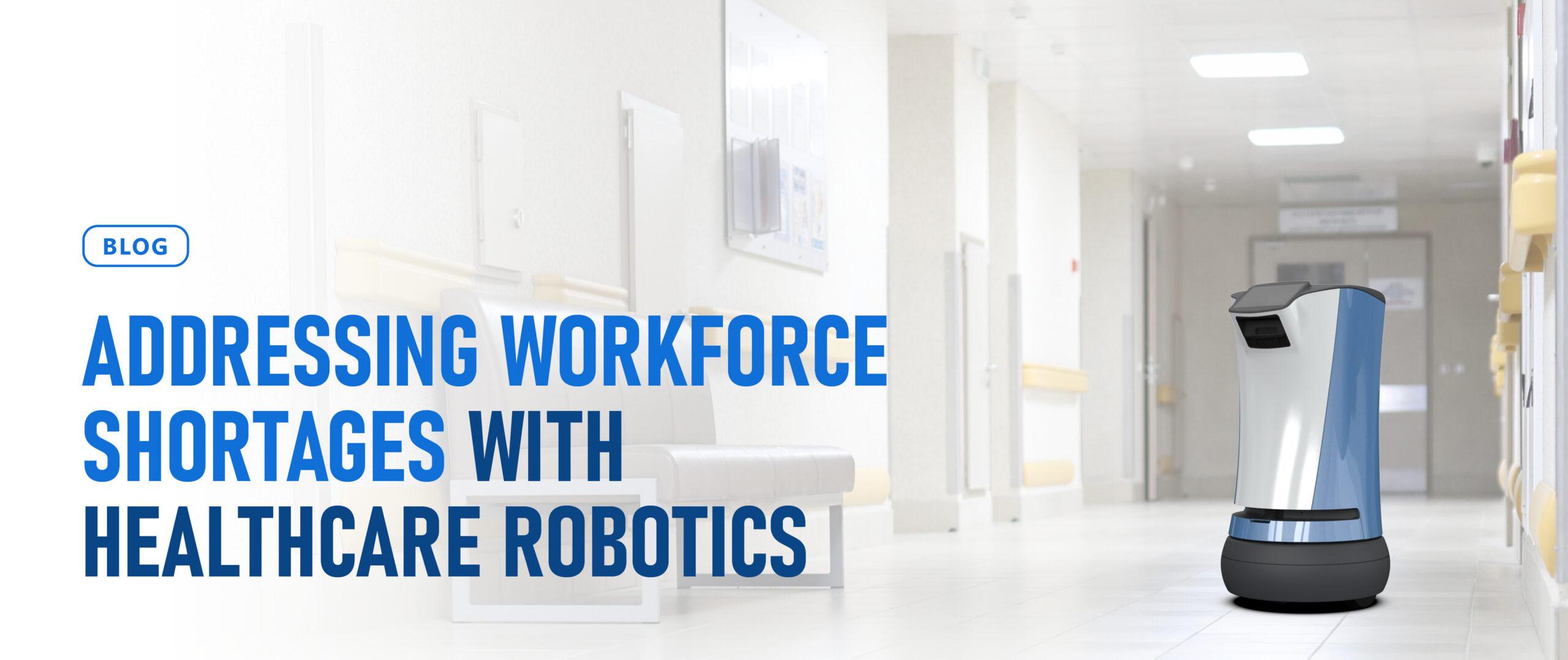
The RFT Service Robot supports your frontline staff 24/7, 365 days a year by reducing workloads with deliveries and repetitive tasks which empowers them to spend more time with patients, residents or guests.
The robot is mapped to your floorplan, including elevators and multiple stories, and has secure, lockable compartments with end-to-end chain of custody for medications or order delivery.
The RFT Service Robot is scalable, cost-effective and allows staff to concentrate on higher level tasks in many different industries including:
- Hospitals & Health Systems
- Clinics & Outpatient Facilities
- Senior Living Communities
- Hotels & Hospitality
Building a More Sustainable Workforce Through Technology
Staffing challenges, rising care demands, and increasing pressure to maintain high-quality outcomes will continue in healthcare and senior living communities due to a rapidly aging population, with one in five Americans over the age of 65 by 2030. Healthcare robots offer a practical way to support employees, reduce burnout, and improve operational efficiency.
Discover how healthcare robotics solutions can help your organization build a more resilient care environment while enhancing the experience for patients, residents, and caregivers alike. Schedule a demo today.