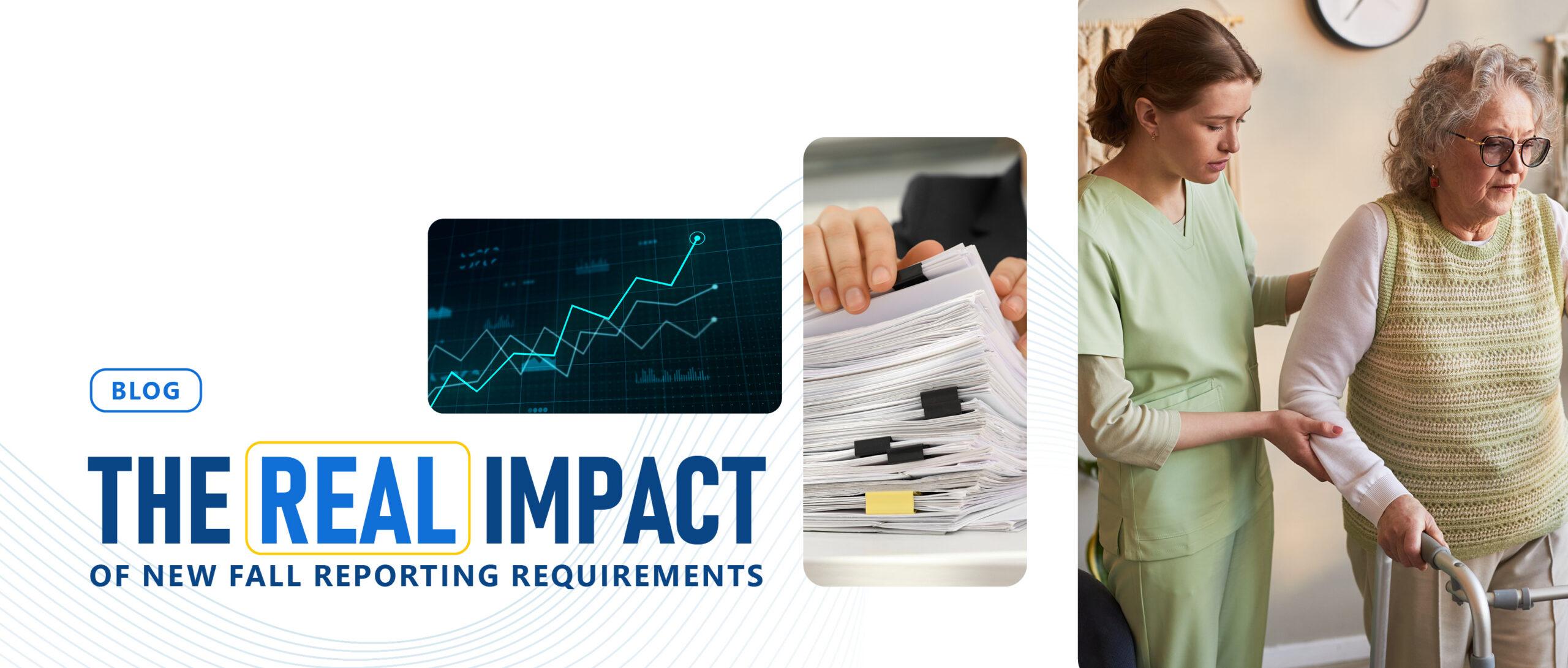






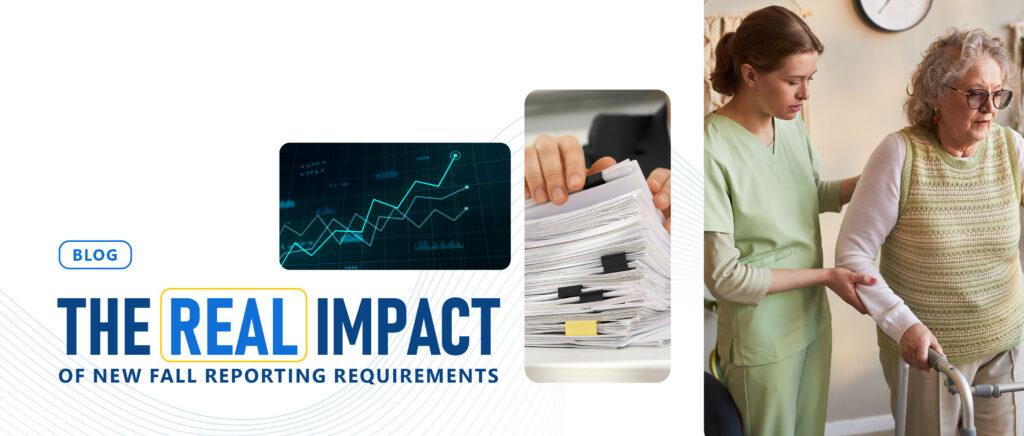
The Center for Medicare & Medicaid Services (CMS) has changed the Minimum Data Set (MDS) 3.0 Resident Assessment Instrument (RAI) User’s Manual’s classification for falls effective October 1, 2025, which can make facilities’ reporting look worse on paper without any actual decline in care quality.
What changed is an expanded inclusion of falls caused by external forces, such as being pushed or collisions causing a fall, as well as an expanded list of major injuries including fractures, head injuries, internal injuries and spinal cord injuries. However, the wording “not limited to” introduces ambiguity to these new rules which may cause confusion.
There’s fear that quality measures may decline due to higher reported fall rates, different interpretations of injuries resulting in the wrong classification, and even improved care resulting in worse scores.
This is important for long-term care communities including nursing homes and skilled nursing facilities because quality measures can influence:
- Five-Star Ratings
- SNF Quality Reporting Program
- Value-Based Purchasing (starting 2027) [mcknights.com]
This can lead to the potential for higher financial penalties and survey citations (F-tags – F” for “federal” constitute the system through which federal nursing home regulations are identified in the survey).
The key challenges are lack of clear CMS guidance and increased reliance on clinical judgement and interpretation which can lead to a risk of citations for failure to assess correctly and incorrect coding.
Having a fall management system like Quick Response® Fall Management that can immediately alert and even automatically detect falls and allow you to classify them is a game changer for facilities that are still doing this manually.
Tracking every fall and associated injuries is critical to comply with CMS rules as well as interventions taken after each incident.
Reporting
The Code Alert® Enterprise software for Quick Response is CMS long-term care compliant and has quality dashboards built in to capture call reasons by smartphone or at the central location to help analyze resident patterns around specific call types and achieve and maintain high care standards.
Fall Prevention and SPMH (Safe Patient Mobility Handling)
Focusing on SPMH and preventing falls from happening in the first place is the best way to deal with this problem. Evidence shows that having someone assigned as a SPMH or evidence-based program coordinator who focuses on anticipating risks, preventing incidents, and sustaining long-term success can significantly reduce the overall cost of falls for patients, residents, and staff.
To learn more about SPMH, RFT sponsored an American Nurse Journal “Safe Patient Handling: Who handles the handling? Integrating early mobility and SPHM programs to achieve better patient and caregiver outcomes” webinar. You can view the on-demand webinar here.
How Exposed is Your Facility to Falls?
Falls are the number one cause of injury for people 65 and older and result in about three million emergency department visits per year, according to the CDC. One in four older adults will fall a year, and one in ten will result in an injury.
The average cost of a fall is $62,521, while the published relative risk reduction with intervention is 22 percent. So, if you have 100 senior living residents in your community, a fall management intervention (22 percent reduction) may avoid approximately one injury, saving approximately $34,387 annually.
Use RFT’s Fall Injury Cost Exposure Calculator to calculate the cost savings for your community.
Fall Management Systems
RFT has a full suite of fall management products to keep your residents safe and your community CMS long-term care compliant. You can create customized fall prevention and alarming programs that protect your residents and respect their dignity, while making staff more efficient and providing real-time reporting that can keep up with CMS reporting rules.
Sensatec® Fall Alarms and Bed and Chair Pads are cost-effective and restraint free and can now be purchased directly on rft.com.
Chirp is a wall mounted, multi-sensing, 4-D radar with privacy safe AI-driven monitoring and voice activated two-way calling.
Our Sensatec and Chirp products also bring continuous monitoring and real-time alerts directly into the home, supporting caregivers and families, not just staff.
Quick Response® Fall Detection Pendants have artificial intelligence (AI technology) that can automatically issue alerts even if a resident is unable to press the button for enhanced fall protection.
Take Aways
The financial and reputational costs of falls in senior living are increasing while regulatory changes may distort reporting and lead to penalties and reduced quality ratings. A good fall prevention program and management system with documentation and reporting built-in will drive better performance outcomes and protect your community from changing regulations and associated costs of fall injuries for years to come.