







The Joint Commission has officially created National Performance Goals #12, effective January 1, 2026, for hospitals in the U.S. to ensure staffing levels meet patient demand for safe and effective patient care.
Established in 1987, the Joint Commission is an independent, not-for-profit organization that delivers worldwide accreditation programs to healthcare organizations, public health agencies, and health ministries to enhance patient safety and quality of care.
Nurse staffing levels is a big news story so far in 2026 across the country including what is considered the largest nurses strike in New York history. Strikes started in January with nearly 15,000 New York State Nursing Association (NYSNA) nurses at major New York City hospitals, and approximately 31,000 nurses and healthcare professionals across California and Hawaii striking as well.
Nurses are concerned about a number of issues including staff levels, wages, and workplace violence. Data from the Bureau of Labor Statistics show violence jumped 175 percent in hospitals in conjunction with the staffing crisis during Covid 19 from 2020 compared to 2019 and has only steadily increased since then.
Nurse staffing is a top priority for nurses with 82 percent saying reducing patients per nurse would improve working conditions, and 15 percent saying they always or often experience physical abuse from patients, while 27 percent said they sometimes do according to a 2025 survey of registered nurses by AMN Healthcare.
The Joint Commission
This is the first time the Joint Commission has required hospitals to have adequate staffing levels tied to accreditation. Specifically, the new Joint Commission Performance Goal #12 requires an RN on staff 24/7 for patients and to supervise an adequate number of nurses for patients.
The Joint Commission can hold hospitals and nursing leadership directly accountable for staffing, competency, and quality. The Joint Commission can also hold hospitals with limited staff protections accountable for not protecting staff, patients and visitors from workplace violence.
Instead of issuing fines, The Joint Commission enforces compliance through its accreditation process which is tied to CMS (Centers for Medicare & Medicaid Services).
If an organization fails to meet workplace staffing levels, the Joint Commission can:
- Issue Requirements for Improvement (RFIs).
- Place the organization on conditional accreditation.
- In severe cases, deny or revoke accreditation, which can impact participation in Medicare/Medicaid and insurance contracts.
National Performance Goal NPG.02.04.01 Effective January 2026 for Hospitals
Here are the Joint Commission’s latest standards for workplace staffing, rule 12:
“The hospital is staffed to meet the needs of the patients it serves, and staff are competent to provide safe, quality care.”
- A nurse executive, who is a licensed registered nurse with a postgraduate degree, is responsible for nursing operations and documenting policies, procedures and types and numbers of staff.
- A licensed registered nurse is on staff and supervises other nursing staff 24 hours a day, 7 days a week.
- There are an adequate number of licensed registered nurses, licensed practical (vocational) nurses, and other staff to provide nursing care to all patients.
- There are policies and procedures that establish which outpatient departments, if any, are not required to have a registered nurse present, describe alternative staffing plans, are approved by the director of nursing, and are reviewed at least once every three years.
Who Is Affected?
These Joint Commission requirements apply to:
- Hospitals
- Critical Access Hospitals
Workplace Violence Solutions
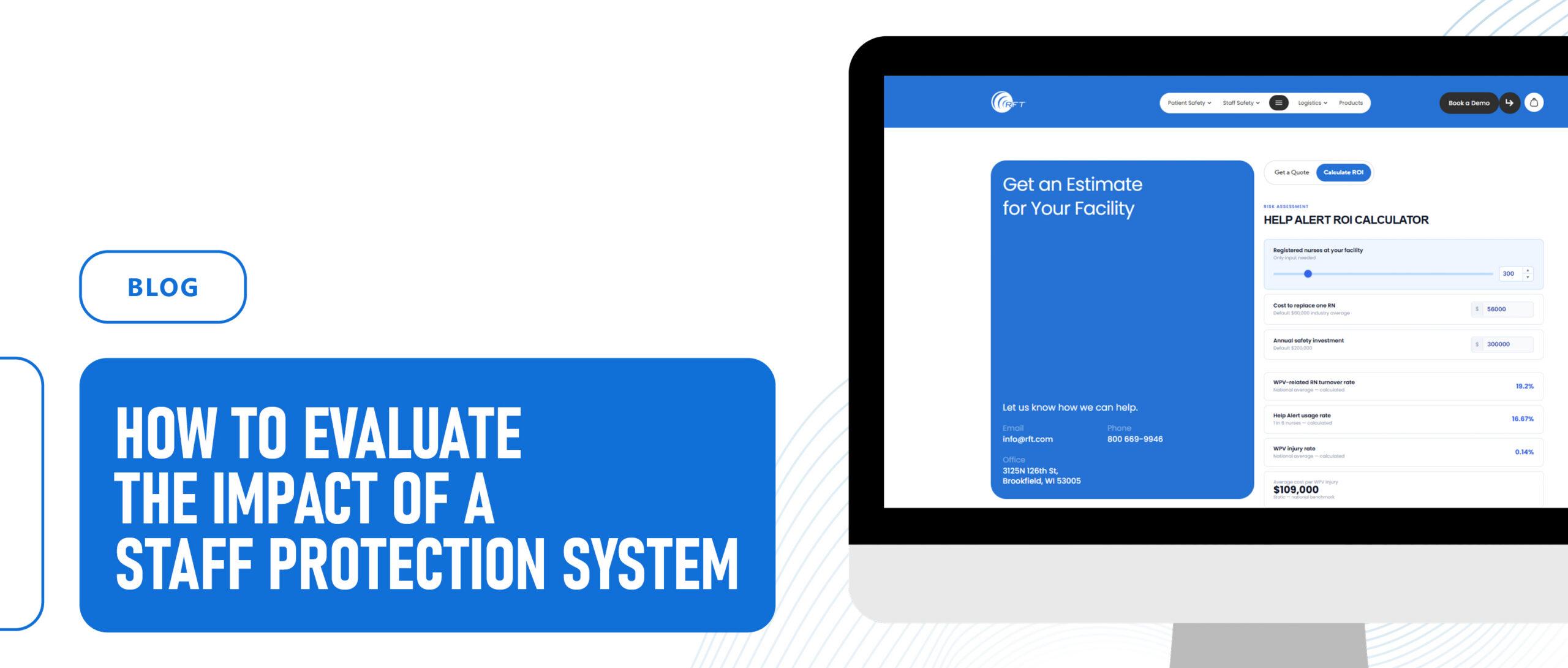
Nurses are very clear — the lack of workplace violence solutions is a contributing factor of the staffing crisis, with19.2 percent changing or leaving their job in 2023 due to workplace violence, according to a survey by National Nurses United (NNU), the largest nursing union in the U.S. Staff duress systems like Help Alert® complement any staffing level and help nurses feel more confident and safer at work while also meeting—and surpassing—the Joint Commission’s expectations for responding to and automatically documenting workplace violence incidents.
Mobile Panic Buttons and Alarm Systems
Hospital systems are integrating wearable staff duress buttons to help support nurses at work since they are twice as likely to be assaulted by patients than doctors. Forty percent of nurses indicate they plan to leave their profession by 2029 and 48 percent of healthcare workers reported that panic buttons would increase their peace of mind, according to a 2025 survey by the Harris Poll.
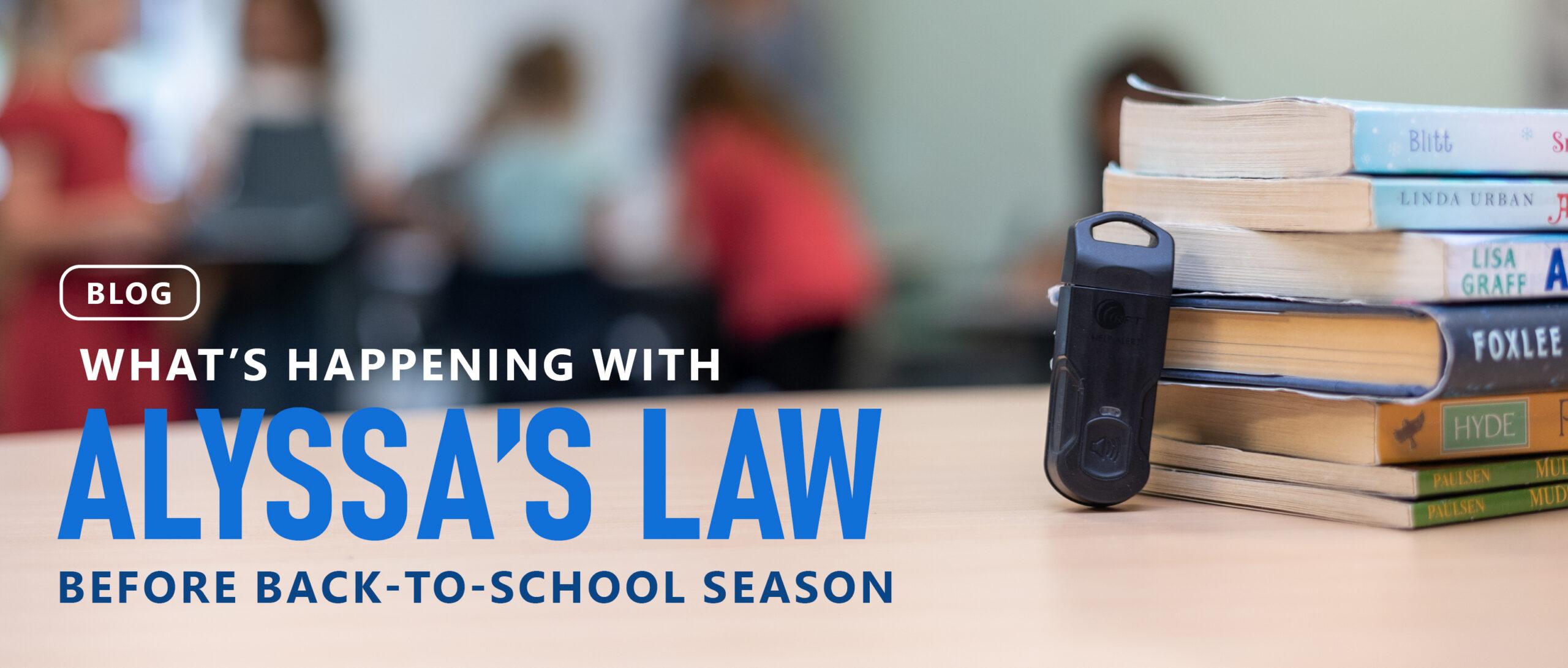
Designed with direct feedback from customers and in-house clinical staff, Help Alert is a lightweight ID badge or pendant equipped with a discreet panic button that instantly notifies on-site security. It provides precise, real-time indoor and outdoor location updates throughout an incident, including parking areas.
Unlike Wi-Fi–based systems, Help Alert uses a more secure platform—an advantage in today’s cybersecurity landscape—while also being easier to deploy and more cost effective than other RTLS solutions.
One-Press Protection
You only need one press in an emergency. The badge flashes red, provides one short vibration and one long vibration to confirm the alert is sent, then flashes green with two short vibrations to indicate that help is on the way. These features stood out from feedback of hundreds of nurses:
- Clear visual and tactile two-way feedback
- Continuous tracking after activation
- Lightweight, comfortable badge design or pendant
- Reliable coverage in parking lots
Executives value that Help Alert:
- Meets Joint Commission workplace violence requirements
- Demonstrates a strong commitment to staff safety and retention
- Helps reduce turnover and workers’ compensation costs
Help Alert’s dashboard also provides comprehensive reporting to help organizations comply with documentation standards, presenting alerts by:
- Date
- Hour
- Department
- Location
- Response time (in minutes)
- Day of the week
The Admin Dashboard additionally offers system health monitoring, access analytics, and easy reporting tools.
Here’s What This Means for You
By implementing the Help Alert staff protection system from RFT, hospitals can support hospital staffing levels, strengthen their safety culture, provide comprehensive indoor/outdoor protection, and help nurses feel safe and confident at work.
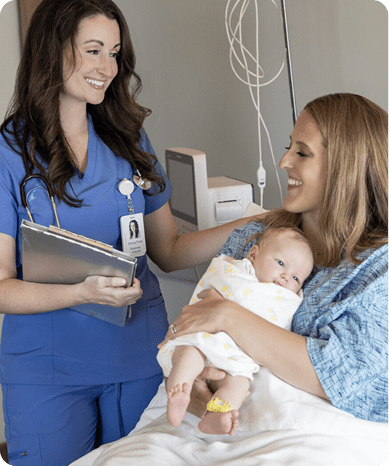
While rare, newborn abductions are among the most devastating security breaches a hospital can face. These incidents not only endanger the infant and family but also erode trust in healthcare facilities. That is why leading hospitals are turning to advanced infant protection systems like RFT’s Safe Place® to ensure the highest level of security for infants and peace of mind for families.
Understanding the Risk
These distressing incidents typically involve unauthorized individuals attempting to take infants from maternity wards or neonatal units. Even one incident can have long-lasting emotional and legal consequences.
Hospitals can proactively address these risks with a layered security strategy that includes technology, training, and protocols.